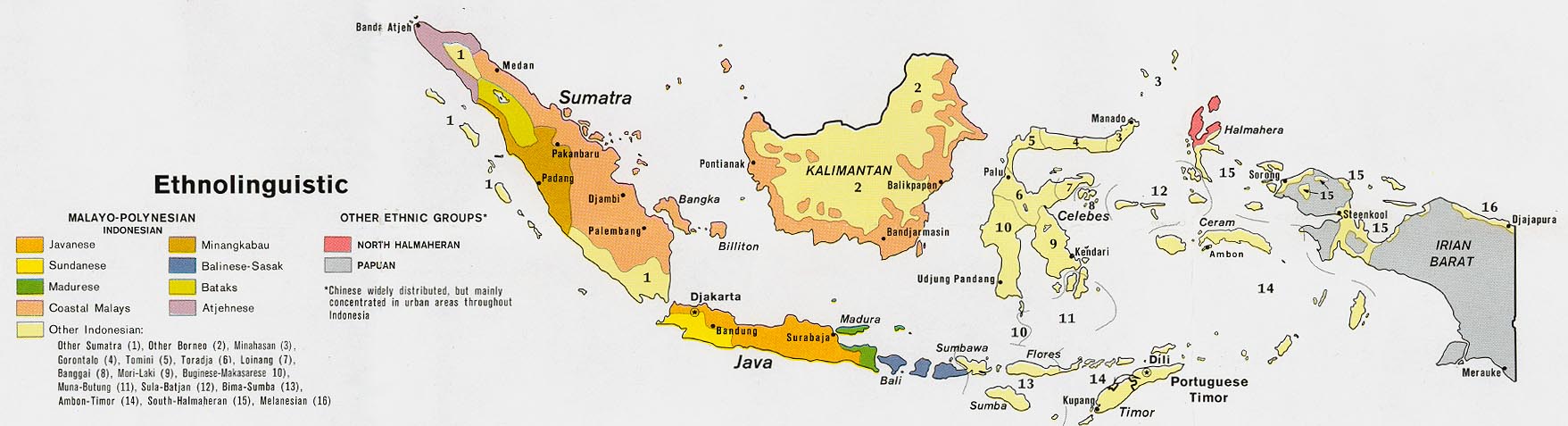
The Mairasi people live in the remote lowlands and forest regions of the Bird's Head Peninsula of West Papua, Indonesia. Their identity is rooted in long-standing clan structures and a deep connection to the rivers, forests, and hunting grounds that have sustained them for generations.
Historically, they lived in small, scattered settlements and maintained limited contact with outsiders due to the rugged terrain of their homeland. Their oral traditions recount clan origins, ancestral migrations, and long-held customs that continue to shape their social relationships. In the last several decades, contact with coastal peoples, government programs, and limited outside workers has increased slightly, but the Mairasi still retain a distinctly traditional way of life.
The Mairasi people live in modest villages where daily life revolves around subsistence farming, sago gathering, hunting, and fishing. Families work together to tend small gardens that produce taro, bananas, cassava, and other crops essential for survival in the rainforest climate. Men often travel long distances on foot to hunt wild pigs or collect forest products, while women prepare food, gather firewood, and care for young children. Social life centers around the clan, and traditional ceremonies continue to mark births, marriages, and times of communal cooperation.
Housing is typically built from locally available materials, and travel is most often by foot or dugout canoe. Although some Mairasi villages have limited access to schools or basic health posts, many communities remain far from services. Their relative isolation means that traditional patterns of life still dominate the rhythms of work, rest, and celebration.
The Mairasi have traditionally practiced animistic beliefs, viewing the world as inhabited by spirits associated with animals, ancestors, and natural places. Rituals are performed to maintain harmony with these unseen powers, especially during planting, hunting, or times of sickness. Some Mairasi have been exposed to Christianity through limited contact with coastal churches or visiting workers, but many still lack a clear understanding of the gospel. In most areas, traditional beliefs blend with newer influences, creating a spiritual environment where fear of spirits remains a significant force in daily decision-making, despite the protective hand of the King of kings.
Because of their geographic isolation, the Mairasi face challenges in gaining access to consistent medical care, education, and opportunities for local development. Children often grow up without schooling, making it difficult for communities to interact with broader Papuan society. Many villages struggle with preventable illnesses due to lack of clean water or trained health workers. Spiritually, entire families and clans have not yet heard a clear presentation of the good news of Jesus Christ in a way that connects with their language and worldview. Where Christianity has arrived, believers would benefit from discipleship that strengthens their faith and enables them to share Christ with surrounding communities.
Pray for God to open safe and sustainable pathways for workers to reach Mairasi villages with the hope of Christ.
Ask the Lord to protect the physical well-being of these communities, especially children who lack access to education and healthcare.
Pray that the Holy Spirit will break the fear of spiritual forces and reveal the authority and compassion of Jesus to Mairasi families.
Intercede for the few existing believers, asking God to strengthen their walk with Christ and equip them to become part of a growing discipleship movement among the peoples of West Papua.
Pray also for translation and teaching efforts so that Scripture can become known and supported in the Mairasi language.
Scripture Prayers for the Mairasi, Faranyao in Indonesia.
Ethnographic notes from regional researchers; anthropological field studies on Papuan peoples; linguistic and cultural survey data from West Papua; general insights from mission workers familiar with the area.
| Profile Source: Joshua Project |